Are AI Certifications Worth It?
The Real Answer.
With dozens of AI certifications flooding the market,
it's hard to know which ones help your career—if any.
Cert Fatigue Is Real.
New AI certifications launch weekly. Google, AWS, Azure, Coursera, IBM—impossible to know which matter.
Many hiring managers openly admit they ignore certifications in favor of portfolio work.
Most certs test memorization, not practical skills. Pass the exam, still can't build anything.
What Actually Matters for AI Careers.
The World-Class AI Engineer Cohort
Certifications aren't useless—but they're not what gets you hired either. The key is understanding when certs add value vs when they're resume filler, and building the portfolio that actually demonstrates competence.
Build First, Cert Second
Projects prove skills, certs validate
Choose Strategic Certs
Only ones relevant to target roles
Get Expert Guidance
Avoid wasting months on wrong path
Meet Your Mentor

My aim has been the same for years: become a world-class AI engineer. Every career move I've made has been measured against that.
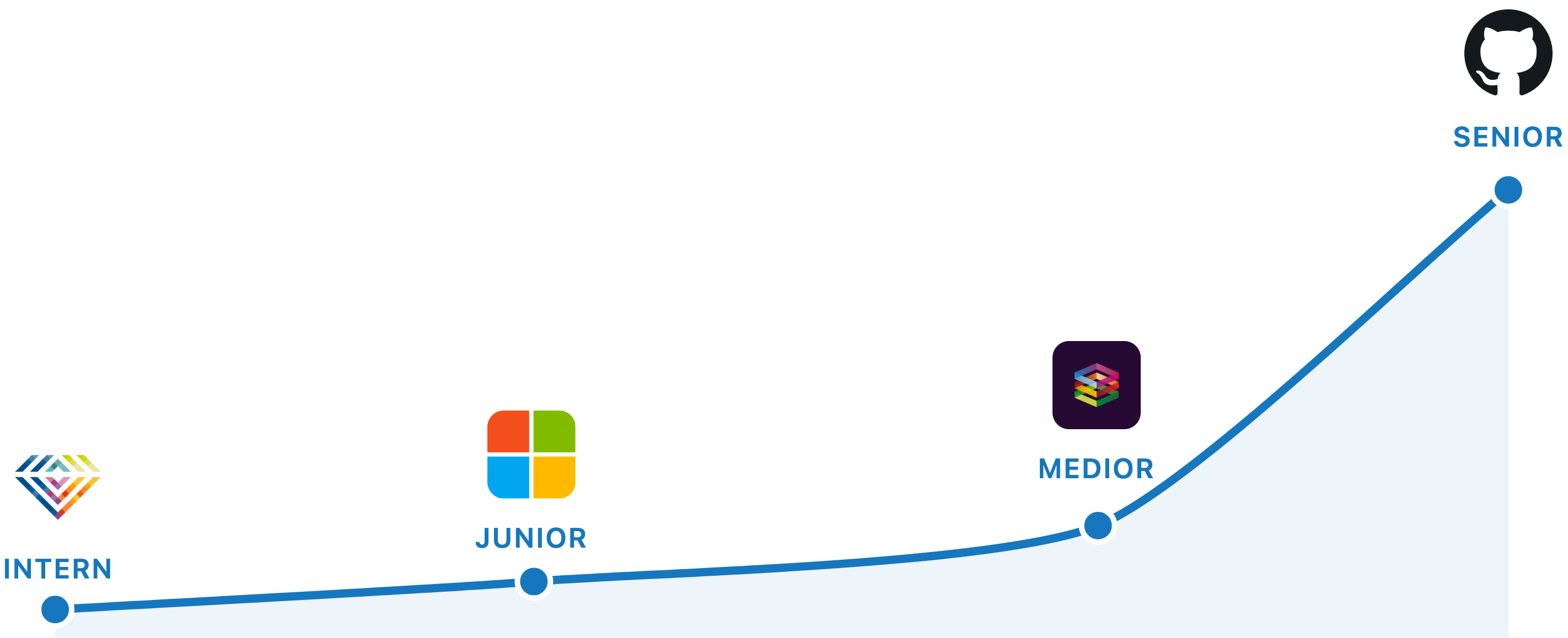
I started as a software tester on a $500/month internship in the Netherlands. Taught myself to code, learned to ship real systems, and worked my way to Senior Engineer at GitHub.
Then I left GitHub. I joined an AI research lab as Member of Technical Staff, where I currently build products for secure AI monitoring.
The cohort draws directly from my real experience so you can make progress fast.
I run this special cohort with only a few people because hands-on work with me is what it takes to bring you to become a world-class AI engineer.
Real Results

Vittor
AI Engineer
Built and deployed his portfolio piece, then landed the AI role
"The coaching played a huge part in my success. I focused on AI fundamentals, the certification path, and soft skills like professional writing. Having access to expert guidance gave me confidence during interviews and helped me feel I was on the right path.
I built my own platform (simple but functional) and deployed it on AWS. I used it in my portfolio and showcased it during interviews. The way complex topics were explained, especially the restaurant analogy for AI systems, really stuck with me. Focusing on doing the basics well was absolutely essential."
What You Will Get
8 Weekly Tuesday Sessions
3 hours each for 24 live hours total.
Project Scoping at Kickoff
We set the scope of what you'll ship and the milestones to get there before the live sessions start.
Code Reviews
Reviews of your code from Zen during the cohort.
Lifetime Demo Access
Every architecture demo is recorded and yours to keep.
Demo Day
You present what you built and get feedback from Zen, with a recording you can use in your portfolio.
12 Months Community Access
Included with the cohort.
Every Month Studying for the Wrong Cert Is a Month Lost
Frequently Asked Questions
Which AI certifications are actually worth getting?
It depends on your target role. For cloud AI/MLOps: AWS Machine Learning Specialty or Google Professional ML Engineer carry weight. For enterprise AI: Azure AI certifications matter if targeting Microsoft shops. For pure AI engineering roles: certifications matter far less than GitHub portfolio and project experience. The only certs worth pursuing are those that directly map to job requirements you're seeing in postings for your target role.
Should I focus on certifications or building a portfolio?
Portfolio first, always. Here's the reality: a certification proves you passed a test. A portfolio proves you can build. When hiring managers review candidates, they spend seconds on certifications but minutes on portfolio projects. Build 2-3 substantial AI projects that solve real problems, then consider adding 1-2 strategic certifications as validation. Never the reverse.
Do employers actually care about AI certifications?
It varies wildly. Large enterprises and government contractors often require specific certifications for compliance reasons—in those cases, they're table stakes. Startups and tech companies typically don't care and may even view cert-heavy resumes with skepticism (suggests theory over practice). Research your target employers specifically rather than assuming certs help universally.
How much time do AI certifications actually take?
Most professional AI certifications require 40-80 hours of preparation for experienced developers, 100-200+ hours for career changers. That's 1-3 months of evenings and weekends. The question isn't whether you have the time—it's whether that time is better spent building portfolio projects that demonstrate the same skills while creating tangible assets you can show employers.
Is it worth getting multiple AI certifications?
Cert stacking is usually a trap. Three certifications doesn't make you 3x more hireable—it often signals insecurity about your actual skills. One well-chosen certification plus a strong portfolio beats five certifications with no practical work. The exception: if pursuing enterprise architect roles where specific cert combinations are explicitly required.
Are AI certifications more valuable for career changers?
They can help career changers establish baseline credibility, but they're not enough alone. A certification tells employers you understand concepts; it doesn't prove you can apply them. Career changers should use certifications strategically: get one foundational cert early for confidence, then immediately start building projects. The project work is what will actually land interviews.
I've signed up for cohorts before and dropped out. How is this different?
It probably isn't, and you should hold the money. Most cohort dropouts are people who couldn't articulate what they were shipping when they signed up. That's why the consult exists, and why I turn down most applications. If we get on the call and you can't tell me what you'll have shipped at the end of week 8, I'll point you to the AI Native Engineer community until you can.
I'm not pivoting careers. I want to build a product. Does this still work?
Yes, the cohort works for people shipping their first serious AI system whether the goal is to land a senior role or to launch a product. The shipped system serves both equally well.
Do I need prior AI experience?
You need to be able to code in Python or TypeScript. Complete beginners can follow the classroom they get access to before the cohort sessions to come in well-prepared.
How much time will this take?
You'll spend 3 hours every Tuesday in the live session and roughly 3 hours of async work in between, for 8 weeks. The Tuesday session time is fixed.
What does it cost?
It's a four-figure investment that we discuss during the 30-minute consult, alongside whether the cohort is the right fit for your project.
Can I do this while working full-time?
Yes, most attendees do. The live session is one Tuesday a week and the async work fits around your existing schedule, as long as you can carve out roughly 6 hours a week.
I accept those who have the highest chance of success.
In the 30-minute call we discuss your goals and whether you are ready for the program.