AI Engineer Jobs in Berlin
Europe's Startup Capital.
Berlin combines world-class AI opportunities with startup culture and quality of life.
Here's how to break in—even without German.
Berlin's AI Market Has Hidden Barriers.
Job posts say 'English-only' but interviews reveal German is 'preferred.' Unclear which companies truly operate in English.
EU Blue Card, work permits, salary thresholds—visa complexity stops many candidates before they even apply.
Startup vs. corporate? The Berlin scene has both, but culture fit matters more here than in most cities.
A Strategic Path to Berlin AI Roles.
The World-Class AI Engineer Cohort
Berlin's AI ecosystem rewards those who understand its unique dynamics. With the right positioning, visa strategy, and company targeting, you can land roles at companies like Zalando, DeepL, or high-growth startups—often faster than in the US.
Target English-First Companies
Identify employers where English is truly the working language—not just tolerated. Focus on international startups, scale-ups, and the Berlin offices of global companies.
Optimize for Blue Card
Structure your job search around EU Blue Card salary thresholds (currently ~EUR 45,300 for shortage occupations like AI/ML). This fast-tracks visa processing and opens permanent residency paths.
Position for Startup Culture
Berlin values autonomy, ownership, and impact over credentials. Tailor your narrative around projects shipped, not just titles held. Coaching helps you nail this positioning.
Meet Your Mentor

My aim has been the same for years: become a world-class AI engineer. Every career move I've made has been measured against that.
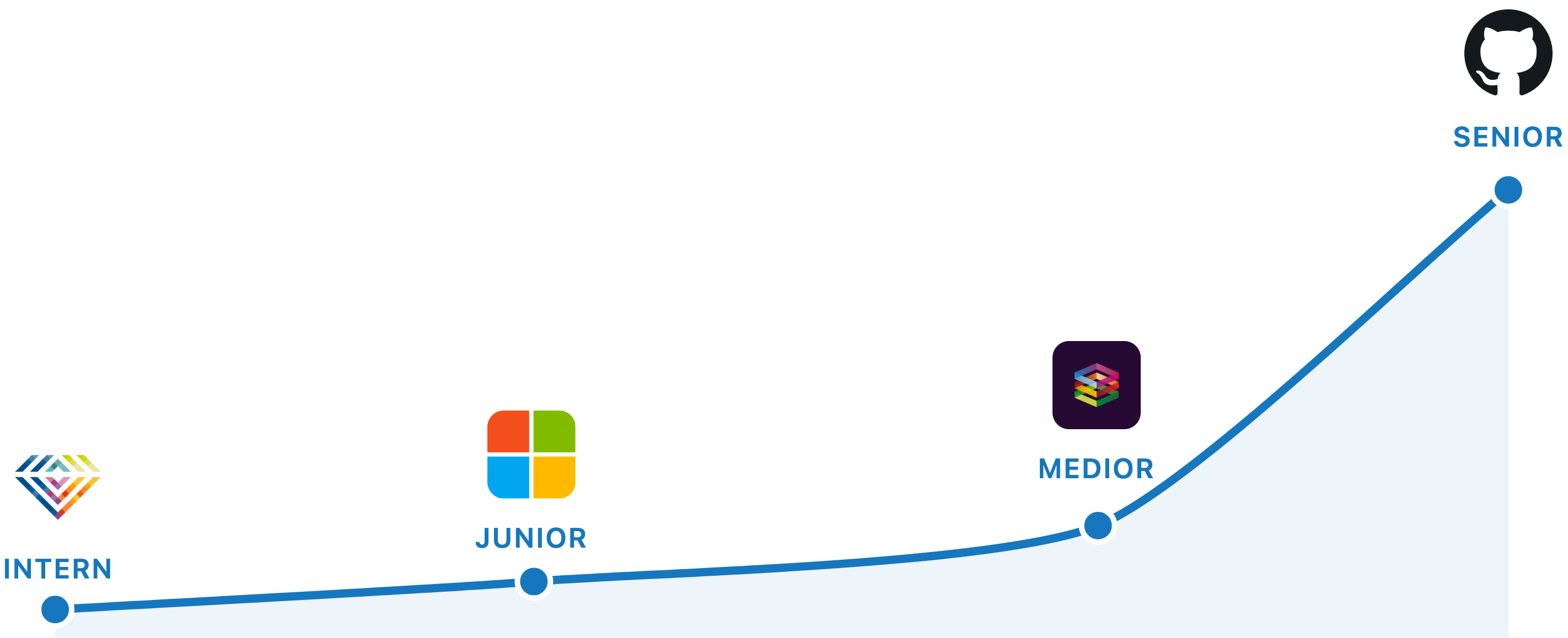
I started as a software tester on a $500/month internship in the Netherlands. Taught myself to code, learned to ship real systems, and worked my way to Senior Engineer at GitHub.
Then I left GitHub. I joined an AI research lab as Member of Technical Staff, where I currently build products for secure AI monitoring.
The cohort draws directly from my real experience so you can make progress fast.
I run this special cohort with only a few people because hands-on work with me is what it takes to bring you to become a world-class AI engineer.
Real Results

Vittor
AI Engineer
Built and deployed his portfolio piece, then landed the AI role
"The coaching played a huge part in my success. I focused on AI fundamentals, the certification path, and soft skills like professional writing. Having access to expert guidance gave me confidence during interviews and helped me feel I was on the right path.
I built my own platform (simple but functional) and deployed it on AWS. I used it in my portfolio and showcased it during interviews. The way complex topics were explained, especially the restaurant analogy for AI systems, really stuck with me. Focusing on doing the basics well was absolutely essential."
What You Will Get
8 Weekly Tuesday Sessions
3 hours each for 24 live hours total.
Project Scoping at Kickoff
We set the scope of what you'll ship and the milestones to get there before the live sessions start.
Code Reviews
Reviews of your code from Zen during the cohort.
Lifetime Demo Access
Every architecture demo is recorded and yours to keep.
Demo Day
You present what you built and get feedback from Zen, with a recording you can use in your portfolio.
12 Months Community Access
Included with the cohort.
Berlin's AI Hiring Window Is Open
Frequently Asked Questions
Do I need German to get an AI job in Berlin?
Not at most tech companies. Berlin's startup ecosystem operates primarily in English—it's the most international city in Germany. Companies like Zalando, DeepL, SoundCloud, N26, and hundreds of startups use English as their working language. However, learning basic German shows commitment and opens doors socially. For enterprise/corporate roles (Siemens, Deutsche Telekom), German is often expected. In coaching, we identify which companies genuinely operate in English versus those where German is unofficially required.
What are AI engineer salaries in Berlin?
Berlin AI salaries in 2026: Junior/Entry (0-2 years): EUR 55,000-70,000. Mid-level (2-5 years): EUR 70,000-95,000. Senior (5+ years): EUR 95,000-130,000. Staff/Principal: EUR 130,000-160,000+. These are lower than US/UK but purchasing power is strong—Berlin rent averages EUR 1,200-1,800 for a nice apartment. Many roles include equity, especially at startups. The EU Blue Card salary threshold for AI roles is ~EUR 45,300, easily met by most positions.
What are the top AI employers in Berlin?
Scale-ups: Zalando (fashion AI/ML platform), DeepL (translation AI), N26 (fintech ML), SoundCloud (audio ML), Delivery Hero (logistics AI). Startups: Merantix (AI venture studio), Ada Health (medical AI), Lengoo (translation AI), Omio (travel ML). Enterprise: Siemens AI Lab, SAP Berlin, Amazon Berlin, Google Berlin. Research: Fraunhofer institutes, TU Berlin, Berlin Institute for the Foundations of Learning and Data. The startup scene is particularly strong—Berlin has more VC funding than any other continental European city.
How do I get a work visa for AI jobs in Berlin?
For non-EU citizens, the EU Blue Card is the golden ticket. Requirements: (1) University degree (or equivalent experience in some cases), (2) Job offer meeting salary threshold (~EUR 45,300 for shortage occupations including IT/AI), (3) Health insurance. Processing takes 4-8 weeks. After 21 months (with B1 German) or 33 months, you can apply for permanent residency. Many Berlin startups are experienced with Blue Card sponsorship—it's routine. Some companies also use the 'skilled worker visa' for candidates without traditional degrees.
Should I target Berlin startups or corporate AI roles?
Depends on your goals. Startups: More ownership, faster learning, equity potential, English-first culture, less bureaucracy. Risk: funding uncertainty, less structure. Corporates (Siemens, SAP, Deutsche Telekom): Higher base salary, more stability, better benefits, clearer career paths. Trade-off: slower pace, more German expected, traditional hierarchy. Scale-ups (Zalando, N26, DeepL) offer a middle ground: startup energy with enterprise resources. In coaching, we match your work style and career goals to the right company type.
Can I work remotely for a Berlin company from elsewhere?
Many Berlin startups offer remote-first or hybrid arrangements within the EU. However, for non-EU candidates, you typically need to be physically in Germany for visa purposes. Some companies hire through Employer of Record (EOR) services for fully remote roles. Post-pandemic, Berlin companies are generally flexible—many offer 2-3 days remote per week. For international candidates, the typical path is: relocate initially for visa, then negotiate remote flexibility once established.
I've signed up for cohorts before and dropped out. How is this different?
It probably isn't, and you should hold the money. Most cohort dropouts are people who couldn't articulate what they were shipping when they signed up. That's why the consult exists, and why I turn down most applications. If we get on the call and you can't tell me what you'll have shipped at the end of week 8, I'll point you to the AI Native Engineer community until you can.
I'm not pivoting careers. I want to build a product. Does this still work?
Yes, the cohort works for people shipping their first serious AI system whether the goal is to land a senior role or to launch a product. The shipped system serves both equally well.
Do I need prior AI experience?
You need to be able to code in Python or TypeScript. Complete beginners can follow the classroom they get access to before the cohort sessions to come in well-prepared.
How much time will this take?
You'll spend 3 hours every Tuesday in the live session and roughly 3 hours of async work in between, for 8 weeks. The Tuesday session time is fixed.
What does it cost?
It's a four-figure investment that we discuss during the 30-minute consult, alongside whether the cohort is the right fit for your project.
Can I do this while working full-time?
Yes, most attendees do. The live session is one Tuesday a week and the async work fits around your existing schedule, as long as you can carve out roughly 6 hours a week.
I accept those who have the highest chance of success.
In the 30-minute call we discuss your goals and whether you are ready for the program.