AI Engineer Jobs in Munich
Germany's Tech Capital Awaits.
Munich combines automotive AI innovation with Big Tech presence.
Here's how to break into Germany's highest-paying tech market.
Munich's AI Market Has Hidden Barriers.
German language requirements vary wildly. Some roles demand B2, others operate fully in English.
Automotive dominates the AI scene. Breaking in without industry experience feels impossible.
EU Blue Card, skilled worker visa, job seeker visa—the bureaucracy is overwhelming.
Your Munich AI Job Strategy.
The World-Class AI Engineer Cohort
Munich pays Europe's highest AI salaries but requires a targeted approach. The right strategy combines employer research, visa planning, and positioning that highlights transferable skills for automotive and enterprise AI.
Map Your Target Employers
BMW, Siemens, Allianz, or Big Tech?
Position for Automotive AI
Translate your skills to their domain
Navigate the Visa Path
EU Blue Card strategy & timeline
Meet Your Mentor

My aim has been the same for years: become a world-class AI engineer. Every career move I've made has been measured against that.
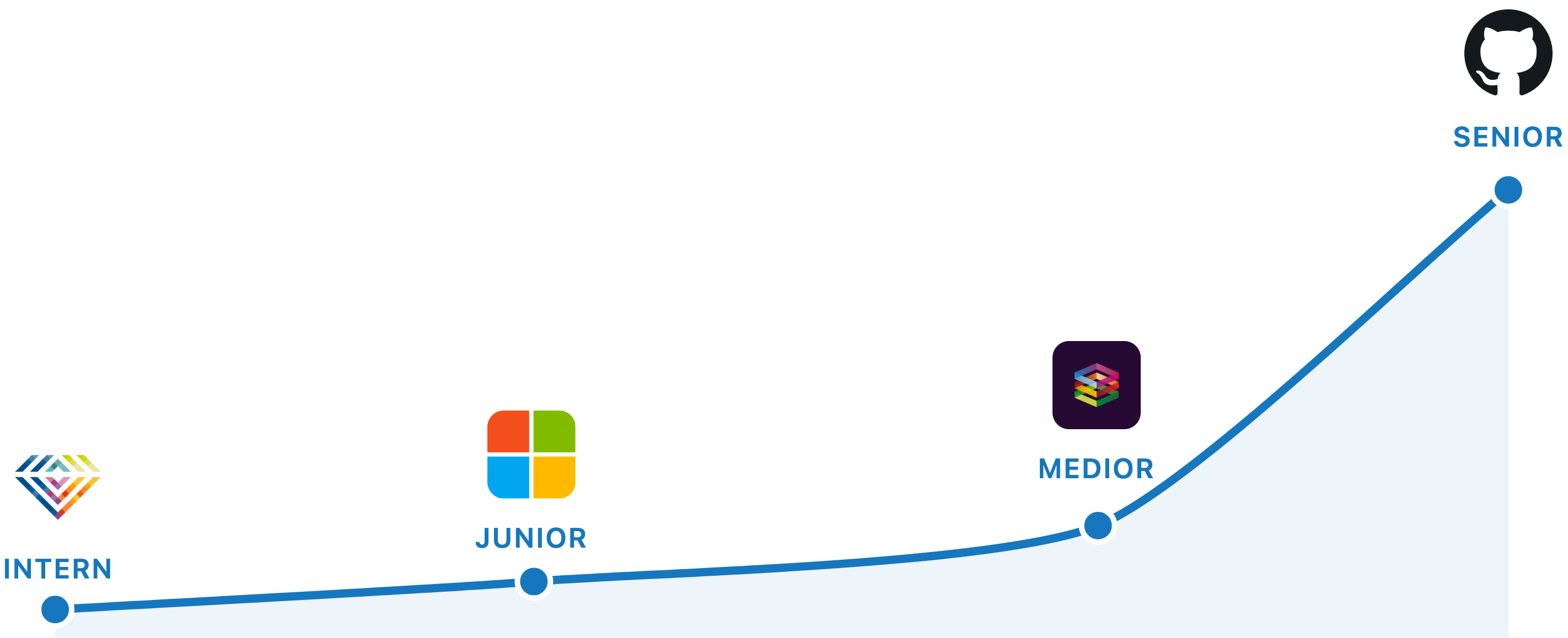
I started as a software tester on a $500/month internship in the Netherlands. Taught myself to code, learned to ship real systems, and worked my way to Senior Engineer at GitHub.
Then I left GitHub. I joined an AI research lab as Member of Technical Staff, where I currently build products for secure AI monitoring.
The cohort draws directly from my real experience so you can make progress fast.
I run this special cohort with only a few people because hands-on work with me is what it takes to bring you to become a world-class AI engineer.
Real Results

Vittor
AI Engineer
Built and deployed his portfolio piece, then landed the AI role
"The coaching played a huge part in my success. I focused on AI fundamentals, the certification path, and soft skills like professional writing. Having access to expert guidance gave me confidence during interviews and helped me feel I was on the right path.
I built my own platform (simple but functional) and deployed it on AWS. I used it in my portfolio and showcased it during interviews. The way complex topics were explained, especially the restaurant analogy for AI systems, really stuck with me. Focusing on doing the basics well was absolutely essential."
What You Will Get
8 Weekly Tuesday Sessions
3 hours each for 24 live hours total.
Project Scoping at Kickoff
We set the scope of what you'll ship and the milestones to get there before the live sessions start.
Code Reviews
Reviews of your code from Zen during the cohort.
Lifetime Demo Access
Every architecture demo is recorded and yours to keep.
Demo Day
You present what you built and get feedback from Zen, with a recording you can use in your portfolio.
12 Months Community Access
Included with the cohort.
Munich's AI Talent War Is Heating Up
Frequently Asked Questions
What are the top AI employers in Munich?
Munich's AI landscape splits into three tiers. Automotive giants: BMW, Audi, MAN, and their tier-1 suppliers (Continental, Bosch) hire heavily for autonomous driving, computer vision, and predictive maintenance. Enterprise tech: Siemens (industrial AI), Allianz (insurance AI), and Munich Re lead in applied AI. Big Tech: Google, Microsoft, Amazon, and Apple all have significant Munich engineering offices. Startups like Celonis, Personio, and Lilium offer equity upside. TUM (Technical University of Munich) spinoffs are particularly strong in robotics and autonomous systems.
What do AI engineers earn in Munich?
Munich pays Germany's highest AI salaries. Junior AI engineers (0-2 years): EUR 55,000-70,000. Mid-level (3-5 years): EUR 75,000-100,000. Senior (5+ years): EUR 100,000-140,000. Staff/Principal: EUR 130,000-180,000+. Big Tech (Google, Microsoft, Apple) pays 20-40% above market with equity. Automotive companies add strong benefits packages including company cars and pension contributions. Note: German salaries look lower than US, but factor in universal healthcare, 30 days vacation, and job security.
Do I need German for AI jobs in Munich?
It depends on the employer. Big Tech (Google, Microsoft, Amazon): English-only is standard. Startups: Usually English-first, especially international ones. German corporates (BMW, Siemens, Allianz): Varies by team. Customer-facing or management roles need German. Pure engineering teams often work in English but German helps for career progression. Best strategy: Apply to English-speaking roles, learn German in parallel (A2-B1 opens many doors), and let employers know you're committed to learning.
How do I get a work visa for Munich?
For AI engineers, the EU Blue Card is your best path. Requirements: University degree (or equivalent), job offer with minimum EUR 43,800 salary (2026, STEM roles), health insurance. Timeline: 2-4 weeks processing with a job offer. Process: Apply at German embassy/consulate in your country, or enter on job seeker visa (6 months to find work) and convert. Fast-track: With EU Blue Card, permanent residency after 21 months (with B1 German) or 33 months (without). Non-EU partners get automatic work permits. Coaching tip: Get your credentials evaluated early (anabin database) to avoid delays.
Can I get automotive AI jobs without car industry experience?
Yes, and it's more common than you think. Automotive AI needs transferable skills: computer vision (any domain), sensor fusion, real-time ML systems, simulation, and safety-critical systems. Position your experience: robotics translates to autonomous driving, healthcare imaging to vehicle perception, gaming physics to simulation. Key differentiators: understanding of functional safety (ISO 26262), embedded ML deployment, or experience with ROS/ROS2. Many automotive AI teams actively seek diverse backgrounds to avoid groupthink. Coaching helps you reframe your experience for automotive hiring managers.
Are there remote AI jobs based in Munich?
Hybrid is the Munich norm in 2026. Most companies offer 2-3 office days per week. Fully remote is rare for German employers (cultural preference for presence), but possible at some startups and Big Tech. Cross-border remote: Tricky due to tax and social security rules. Working from another EU country for a German employer requires careful setup. Best approach: Target Munich-based roles, negotiate hybrid flexibility, and consider the city's quality of life (Alps access, beer gardens, efficient public transport) as part of your compensation.
I've signed up for cohorts before and dropped out. How is this different?
It probably isn't, and you should hold the money. Most cohort dropouts are people who couldn't articulate what they were shipping when they signed up. That's why the consult exists, and why I turn down most applications. If we get on the call and you can't tell me what you'll have shipped at the end of week 8, I'll point you to the AI Native Engineer community until you can.
I'm not pivoting careers. I want to build a product. Does this still work?
Yes, the cohort works for people shipping their first serious AI system whether the goal is to land a senior role or to launch a product. The shipped system serves both equally well.
Do I need prior AI experience?
You need to be able to code in Python or TypeScript. Complete beginners can follow the classroom they get access to before the cohort sessions to come in well-prepared.
How much time will this take?
You'll spend 3 hours every Tuesday in the live session and roughly 3 hours of async work in between, for 8 weeks. The Tuesday session time is fixed.
What does it cost?
It's a four-figure investment that we discuss during the 30-minute consult, alongside whether the cohort is the right fit for your project.
Can I do this while working full-time?
Yes, most attendees do. The live session is one Tuesday a week and the async work fits around your existing schedule, as long as you can carve out roughly 6 hours a week.
I accept those who have the highest chance of success.
In the 30-minute call we discuss your goals and whether you are ready for the program.