Are AI Bootcamps Worth It?
The Real Answer.
Before you spend $10K-$20K on a bootcamp, understand what you're actually
paying for and whether cheaper alternatives might work better for you.
The Bootcamp Promise vs Reality.
$10K-$20K is serious money. That's a down payment, not a course fee. And many bootcamps have hidden costs.
Job placement rates are misleading. "93% employed" often includes unrelated roles, part-time work, or bootcamp staff positions.
One-size-fits-all curriculum. Career changers sit next to experienced devs, and everyone gets the same generic material.
Make an Informed Decision.
The World-Class AI Engineer Cohort
Bootcamps work for some people and waste money for others. The key is honest self-assessment about your background, learning style, and goals. Here's how to evaluate whether a bootcamp is worth it for your specific situation.
Assess Your Background
Devs need different paths than career changers
Calculate Real ROI
Factor in opportunity cost and true job outcomes
Explore Alternatives
The cohort, self-study, or hybrid approaches
Meet Your Mentor

My aim has been the same for years: become a world-class AI engineer. Every career move I've made has been measured against that.
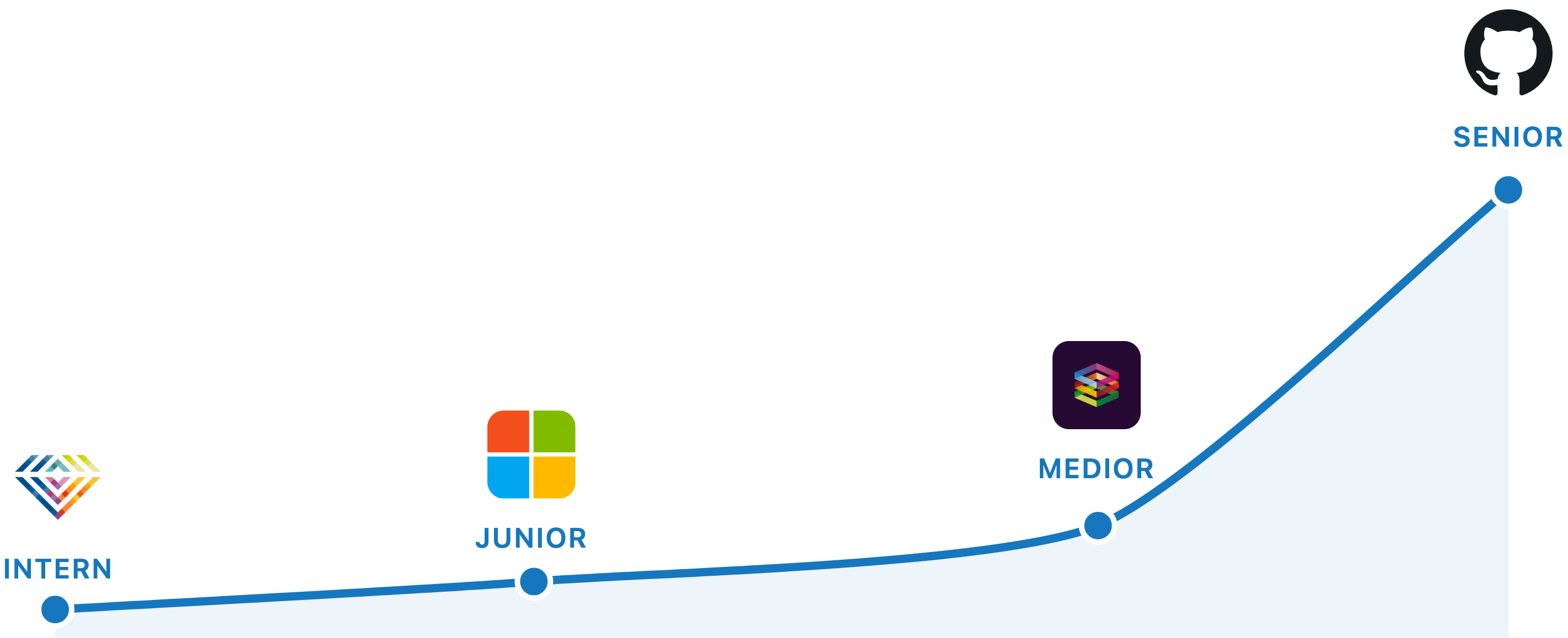
I started as a software tester on a $500/month internship in the Netherlands. Taught myself to code, learned to ship real systems, and worked my way to Senior Engineer at GitHub.
Then I left GitHub. I joined an AI research lab as Member of Technical Staff, where I currently build products for secure AI monitoring.
The cohort draws directly from my real experience so you can make progress fast.
I run this special cohort with only a few people because hands-on work with me is what it takes to bring you to become a world-class AI engineer.
Real Results

Vittor
AI Engineer
Built and deployed his portfolio piece, then landed the AI role
"The coaching played a huge part in my success. I focused on AI fundamentals, the certification path, and soft skills like professional writing. Having access to expert guidance gave me confidence during interviews and helped me feel I was on the right path.
I built my own platform (simple but functional) and deployed it on AWS. I used it in my portfolio and showcased it during interviews. The way complex topics were explained, especially the restaurant analogy for AI systems, really stuck with me. Focusing on doing the basics well was absolutely essential."
What You Will Get
8 Weekly Tuesday Sessions
3 hours each for 24 live hours total.
Project Scoping at Kickoff
We set the scope of what you'll ship and the milestones to get there before the live sessions start.
Code Reviews
Reviews of your code from Zen during the cohort.
Lifetime Demo Access
Every architecture demo is recorded and yours to keep.
Demo Day
You present what you built and get feedback from Zen, with a recording you can use in your portfolio.
12 Months Community Access
Included with the cohort.
A Wrong Decision Here Costs You Twice
Frequently Asked Questions
Who are AI bootcamps actually worth it for?
Bootcamps work best for complete career changers with no tech background who need maximum structure and accountability. If you've never coded, need a forced schedule, learn best in cohorts, and can afford the tuition without stress, a reputable bootcamp can provide a structured on-ramp. But if you're already a developer, have self-discipline, or are budget-conscious, alternatives typically deliver better value.
Are bootcamp job placement rates real?
Most placement statistics are misleading. Read the fine print: many count any employment (including unrelated jobs), exclude dropouts, count part-time or contract work, or even include people hired by the bootcamp itself. Ask for the percentage placed in AI/ML roles specifically, at what salary, and within what timeframe. Reputable bootcamps will share this; sketchy ones deflect. Also ask for LinkedIn profiles of recent graduates so you can verify outcomes yourself.
How does the cohort compare to bootcamps?
Bootcamps cost $10K-$20K for 12-24 weeks of generic curriculum with 20-30 other students. The cohort is a four-figure investment for 8 weeks of personalized guidance tailored to your exact background and goals. For experienced developers, coaching is almost always better value because it skips what you already know and focuses on your specific gaps. Career changers might benefit from bootcamp structure, but even then, coaching plus curated resources often beats the bootcamp approach.
I'm already a developer. Is a bootcamp worth it for me?
Almost certainly not. As a developer, you already know programming, version control, and how to learn technical concepts. Bootcamps spend weeks on fundamentals you've mastered. You're better served by targeted resources for your specific gaps (PyTorch if you need deep learning, LangChain for LLM applications, etc.) combined with the cohort to accelerate the transition. This approach is faster, cheaper, and more effective than sitting through beginner material.
I'm changing careers from a non-technical field. Worth it for me?
Bootcamps make more sense for true career changers, but they're not your only option. Consider: Can you afford the tuition without financial stress? Do you need external accountability to complete coursework? Are you comfortable learning in a group setting? If yes to all three, a reputable bootcamp could work. If not, consider structured self-study with a coach for accountability, part-time programs while keeping your job, or building a portfolio through real projects with mentorship. These paths take longer but cost less and reduce financial risk.
What are the red flags when evaluating bootcamps?
Watch out for: pressure tactics or limited-time pricing, vague job placement statistics without methodology, no refund policy or unclear terms, instructors without real industry experience, curriculum that doesn't cover current tools (2026 means LLMs, agents, and production ML), promises that seem too good ("guaranteed $150K salary"), and reluctance to connect you with recent graduates. A legitimate program will be transparent about outcomes, refund policies, and instructor backgrounds. If they dodge questions, walk away.
I've signed up for cohorts before and dropped out. How is this different?
It probably isn't, and you should hold the money. Most cohort dropouts are people who couldn't articulate what they were shipping when they signed up. That's why the consult exists, and why I turn down most applications. If we get on the call and you can't tell me what you'll have shipped at the end of week 8, I'll point you to the AI Native Engineer community until you can.
I'm not pivoting careers. I want to build a product. Does this still work?
Yes, the cohort works for people shipping their first serious AI system whether the goal is to land a senior role or to launch a product. The shipped system serves both equally well.
Do I need prior AI experience?
You need to be able to code in Python or TypeScript. Complete beginners can follow the classroom they get access to before the cohort sessions to come in well-prepared.
How much time will this take?
You'll spend 3 hours every Tuesday in the live session and roughly 3 hours of async work in between, for 8 weeks. The Tuesday session time is fixed.
What does it cost?
It's a four-figure investment that we discuss during the 30-minute consult, alongside whether the cohort is the right fit for your project.
Can I do this while working full-time?
Yes, most attendees do. The live session is one Tuesday a week and the async work fits around your existing schedule, as long as you can carve out roughly 6 hours a week.
I accept those who have the highest chance of success.
In the 30-minute call we discuss your goals and whether you are ready for the program.