How to Negotiate
AI Engineer Salary
Most AI engineers leave $20K-$50K on the table.
Learn the strategies that top performers use to negotiate confidently.
Negotiation Anxiety Is Costing You.
You don't know if $150K is fair or if you're being lowballed. Market data is all over the place.
Fear of losing the offer keeps you from pushing back. You accept the first number they give.
You lack confidence articulating your value. Imposter syndrome makes you feel lucky just to get an offer.
Negotiate From Strength, Not Fear.
The World-Class AI Engineer Cohort
Salary negotiation is a learnable skill. With the right research, strategy, and support, you can confidently advocate for your worth without risking the offer.
Know Your Market Value
Research real AI engineer salaries for your level and location
Build Your Case
Document your skills, projects, and unique value proposition
Practice & Execute
Role-play negotiations with coaching support
Meet Your Mentor

My aim has been the same for years: become a world-class AI engineer. Every career move I've made has been measured against that.
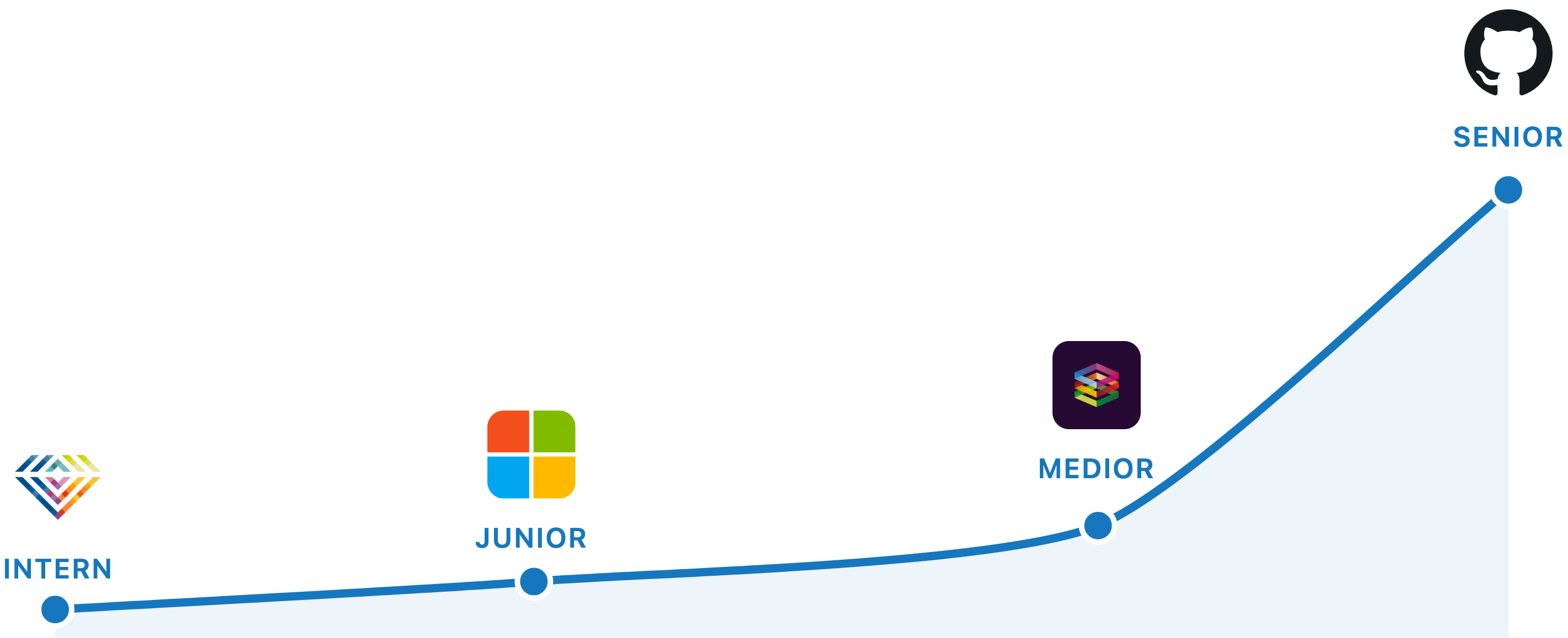
I started as a software tester on a $500/month internship in the Netherlands. Taught myself to code, learned to ship real systems, and worked my way to Senior Engineer at GitHub.
Then I left GitHub. I joined an AI research lab as Member of Technical Staff, where I currently build products for secure AI monitoring.
The cohort draws directly from my real experience so you can make progress fast.
I run this special cohort with only a few people because hands-on work with me is what it takes to bring you to become a world-class AI engineer.
Real Results

Vittor
AI Engineer
Built and deployed his portfolio piece, then landed the AI role
"The coaching played a huge part in my success. I focused on AI fundamentals, the certification path, and soft skills like professional writing. Having access to expert guidance gave me confidence during interviews and helped me feel I was on the right path.
I built my own platform (simple but functional) and deployed it on AWS. I used it in my portfolio and showcased it during interviews. The way complex topics were explained, especially the restaurant analogy for AI systems, really stuck with me. Focusing on doing the basics well was absolutely essential."
What You Will Get
8 Weekly Tuesday Sessions
3 hours each for 24 live hours total.
Project Scoping at Kickoff
We set the scope of what you'll ship and the milestones to get there before the live sessions start.
Code Reviews
Reviews of your code from Zen during the cohort.
Lifetime Demo Access
Every architecture demo is recorded and yours to keep.
Demo Day
You present what you built and get feedback from Zen, with a recording you can use in your portfolio.
12 Months Community Access
Included with the cohort.
Every Lowball Offer You Accept Compounds Against You
Frequently Asked Questions
When should I negotiate my AI engineer salary?
Always negotiate after receiving a written offer, never during interviews. The best leverage point is when they've committed to you but before you've signed. For AI roles, companies expect negotiation. Studies show 70% of employers leave room in initial offers. The only time to skip negotiation is if the offer already exceeds your research-backed target.
What are realistic AI engineer salary ranges in 2026?
AI engineer salaries vary significantly by level and location. Entry-level (0-2 years): $120K-$180K base. Mid-level (3-5 years): $180K-$280K base. Senior/Staff (5+ years): $280K-$450K+ base. Top-tier companies (FAANG, top AI labs) pay 30-50% above these ranges. Remote roles from lower cost-of-living areas may pay 10-20% less. Always research specific companies on Levels.fyi and Glassdoor.
Will negotiating make them rescind the offer?
In 99% of cases, no. Rescinded offers from professional negotiation are extremely rare. Companies invest significant time and money in hiring. What matters is how you negotiate: be professional, express enthusiasm, back requests with data. The risk of not negotiating is far greater. You're leaving guaranteed money on the table and setting a lower baseline for future raises.
What exactly should I say when negotiating?
Start with enthusiasm and gratitude. Then: 'Based on my research of the market and the value I'll bring, I was hoping for a base salary closer to [X]. My experience with [specific AI skills/projects] positions me to make an immediate impact on [their goals].' Never give a range. If they push back, ask what flexibility exists in the total package including equity, signing bonus, or level.
What else can I negotiate besides base salary?
AI roles often have significant negotiation room in: 1) Equity/RSUs (can be worth more than salary at startups), 2) Signing bonus ($10K-$50K is common), 3) Annual bonus target percentage, 4) Remote work flexibility, 5) Title/level (affects future comp), 6) Start date, 7) Professional development budget, 8) GPU/compute credits for personal projects. If they can't move on salary, pivot to these.
I've never negotiated before. Where do I start?
First, do your research. Gather salary data from Levels.fyi, Glassdoor, and Blind for your specific role and level. Second, write out your key talking points and practice them out loud. Third, do mock negotiations with a friend or coach. The confidence you build from practice is worth more than any script. Consider working with a career coach who specializes in tech. One successful negotiation easily pays for years of coaching.
I've signed up for cohorts before and dropped out. How is this different?
It probably isn't, and you should hold the money. Most cohort dropouts are people who couldn't articulate what they were shipping when they signed up. That's why the consult exists, and why I turn down most applications. If we get on the call and you can't tell me what you'll have shipped at the end of week 8, I'll point you to the AI Native Engineer community until you can.
I'm not pivoting careers. I want to build a product. Does this still work?
Yes, the cohort works for people shipping their first serious AI system whether the goal is to land a senior role or to launch a product. The shipped system serves both equally well.
Do I need prior AI experience?
You need to be able to code in Python or TypeScript. Complete beginners can follow the classroom they get access to before the cohort sessions to come in well-prepared.
How much time will this take?
You'll spend 3 hours every Tuesday in the live session and roughly 3 hours of async work in between, for 8 weeks. The Tuesday session time is fixed.
What does it cost?
It's a four-figure investment that we discuss during the 30-minute consult, alongside whether the cohort is the right fit for your project.
Can I do this while working full-time?
Yes, most attendees do. The live session is one Tuesday a week and the async work fits around your existing schedule, as long as you can carve out roughly 6 hours a week.
I accept those who have the highest chance of success.
In the 30-minute call we discuss your goals and whether you are ready for the program.