How to Become an
AI Consultant
Turn AI expertise into premium consulting rates.
AI Consultants advise companies on strategy and implementation—earning $150-$400+/hour.
Want to Monetize Your AI Skills
Without Being Tied to One Company?
You have AI skills but want variety and independence. Full-time roles limit your exposure to different problems.
You see consultants charging $200-$400/hour but don't know how to position yourself or find clients.
Consulting requires selling yourself, not just doing technical work. The business side feels daunting.
The AI Consulting Path
The World-Class AI Engineer Cohort
AI Consultants combine deep technical expertise with business acumen. Here's how to build a consulting practice that commands premium rates.
Develop Deep Expertise
Become genuinely expert in 1-2 AI domains (RAG, agents, MLOps)
Build Credibility
Create content, speak at events, build portfolio of successful projects
Define Your Offering
Package expertise into clear services: assessments, implementations, training
Develop Sales Skills
Learn to find clients, scope projects, and close deals
Meet Your Mentor

My aim has been the same for years: become a world-class AI engineer. Every career move I've made has been measured against that.
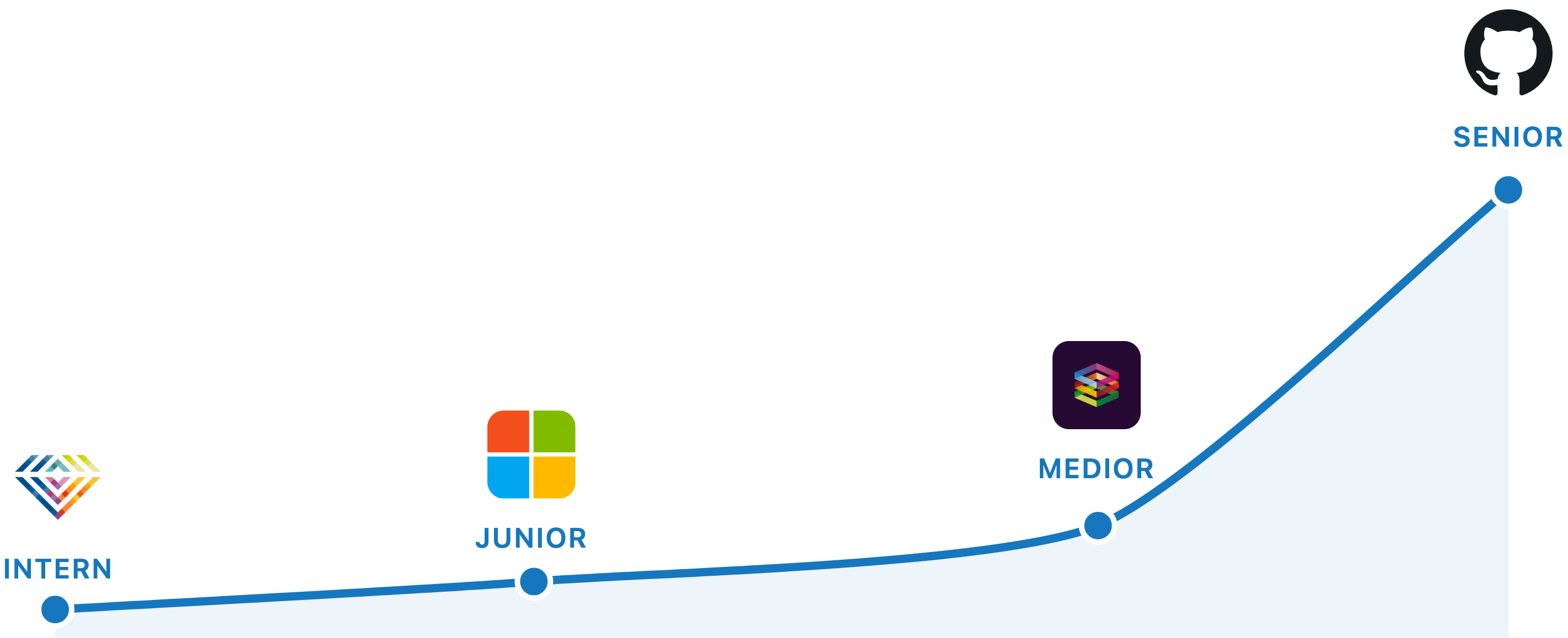
I started as a software tester on a $500/month internship in the Netherlands. Taught myself to code, learned to ship real systems, and worked my way to Senior Engineer at GitHub.
Then I left GitHub. I joined an AI research lab as Member of Technical Staff, where I currently build products for secure AI monitoring.
The cohort draws directly from my real experience so you can make progress fast.
I run this special cohort with only a few people because hands-on work with me is what it takes to bring you to become a world-class AI engineer.
Real Results

Vittor
AI Engineer
Built and deployed his portfolio piece, then landed the AI role
"The coaching played a huge part in my success. I focused on AI fundamentals, the certification path, and soft skills like professional writing. Having access to expert guidance gave me confidence during interviews and helped me feel I was on the right path.
I built my own platform (simple but functional) and deployed it on AWS. I used it in my portfolio and showcased it during interviews. The way complex topics were explained, especially the restaurant analogy for AI systems, really stuck with me. Focusing on doing the basics well was absolutely essential."
What You Will Get
8 Weekly Tuesday Sessions
3 hours each for 24 live hours total.
Project Scoping at Kickoff
We set the scope of what you'll ship and the milestones to get there before the live sessions start.
Code Reviews
Reviews of your code from Zen during the cohort.
Lifetime Demo Access
Every architecture demo is recorded and yours to keep.
Demo Day
You present what you built and get feedback from Zen, with a recording you can use in your portfolio.
12 Months Community Access
Included with the cohort.
Companies Pay Premium Rates for AI Expertise They Can't Hire Full-Time.
Frequently Asked Questions
What does an AI Consultant actually do?
AI Consultants help companies adopt AI effectively. This ranges from strategic advice to hands-on implementation. Common engagements: AI readiness assessments, LLM/RAG implementation, AI architecture review, team training and enablement, vendor selection guidance, POC development, and production system audits. Some consultants focus on strategy (advising executives), others on implementation (building systems). The best can do both. Each engagement is scoped with clear deliverables and timeline.
How does AI consulting compare to full-time employment?
Consulting pros: higher hourly rates, variety of projects, flexibility, independence, no office politics. Consulting cons: no benefits, unpredictable income, you're responsible for sales, less depth on any single project. Financially: $200/hour consulting × 1,200 billable hours = $240K. But you pay self-employment taxes, health insurance, and have unpaid time between projects. The freedom is real, but so is the business overhead. Most successful consultants have 5+ years experience first.
What skills do I need to become an AI consultant?
Technical: deep expertise in at least one AI domain (you're hired for specific knowledge). Business: sales skills, proposal writing, project scoping, client communication. Consulting: needs assessment, presenting recommendations, managing stakeholder expectations, delivering under pressure. Personal brand: content creation, networking, thought leadership. The unique mix is technical depth plus business skills—most engineers have only the former.
What can AI consultants earn?
Entry-level rates (1-3 years experience): $100-$175/hour. Mid-level rates (3-7 years): $175-$300/hour. Senior/expert rates (7+ years): $300-$500+/hour. Strategic advisory: $400-$800+/hour for C-suite consulting. Annual income varies based on billable hours—60-70% utilization is typical. At $250/hour with 1,200 billable hours = $300K gross. Top consultants earn $400K-$600K+ with productized offerings and training programs.
How do I start AI consulting?
Common paths: 1) Side projects while employed—take on small engagements to build experience and portfolio. 2) Leave to consult—requires savings and some initial clients lined up. 3) Join a consultancy first—learn the business at an established firm before going independent. Start with one clear offering you can deliver confidently. Price based on value, not hours. Build credibility through content before you need clients. The best time to start building reputation is while you're still employed.
How do AI consultants find clients?
Inbound: content marketing (blog posts, videos, talks), SEO, social media presence, referrals. Outbound: networking at events, LinkedIn outreach, warm introductions. Platforms: Toptal, Upwork (for starting out), specialized AI consulting marketplaces. Network: former colleagues, industry connections, community relationships. Best approach: build reputation before you need it. Consultants who create valuable content consistently have inbound leads. The sales cycle is 3-6 months for enterprise clients.
I've signed up for cohorts before and dropped out. How is this different?
It probably isn't, and you should hold the money. Most cohort dropouts are people who couldn't articulate what they were shipping when they signed up. That's why the consult exists, and why I turn down most applications. If we get on the call and you can't tell me what you'll have shipped at the end of week 8, I'll point you to the AI Native Engineer community until you can.
I'm not pivoting careers. I want to build a product. Does this still work?
Yes, the cohort works for people shipping their first serious AI system whether the goal is to land a senior role or to launch a product. The shipped system serves both equally well.
Do I need prior AI experience?
You need to be able to code in Python or TypeScript. Complete beginners can follow the classroom they get access to before the cohort sessions to come in well-prepared.
How long does it take to build a consulting practice?
Building reputation while employed: 12-18 months of content creation and networking. Transition period: 3-6 months to fill pipeline after going independent. Stable practice: 18-24 months to have consistent client flow. Don't quit your job until you have: 3-6 months expenses saved, 2-3 clients lined up, and clear service offering. Consulting income is lumpy—plan for feast-and-famine cycles.
What does it cost?
It's a four-figure investment that we discuss during the 30-minute consult, alongside whether the cohort is the right fit for your project.
Can I do this while working full-time?
Yes, most attendees do. The live session is one Tuesday a week and the async work fits around your existing schedule, as long as you can carve out roughly 6 hours a week.
I accept those who have the highest chance of success.
In the 30-minute call we discuss your goals and whether you are ready for the program.