How to Become a
Senior AI Engineer
The level where impact multiplies and salary jumps.
Senior AI Engineers own systems end-to-end and earn $180K-$280K+ at top companies.
Stuck at Mid-Level?
Ready for Senior Scope and Salary?
You're competent at your job but not sure what separates senior from mid-level. The requirements seem vague.
You want the salary jump ($70K+ increase is common) but don't know what skills to prioritize.
Senior roles require influencing others, not just individual output. That transition isn't taught in bootcamps.
The Senior Engineer Formula
The World-Class AI Engineer Cohort
Senior AI Engineers demonstrate three things: technical depth, system ownership, and multiplying impact through others. Here's the roadmap.
Develop Technical Depth
Master 2-3 AI domains deeply: RAG, agents, MLOps, system design
Own Systems End-to-End
Take full responsibility for production systems from design to monitoring
Multiply Impact
Mentor juniors, write documentation, improve team processes
Communicate Effectively
Write clear proposals, present to stakeholders, drive technical decisions
Meet Your Mentor

My aim has been the same for years: become a world-class AI engineer. Every career move I've made has been measured against that.
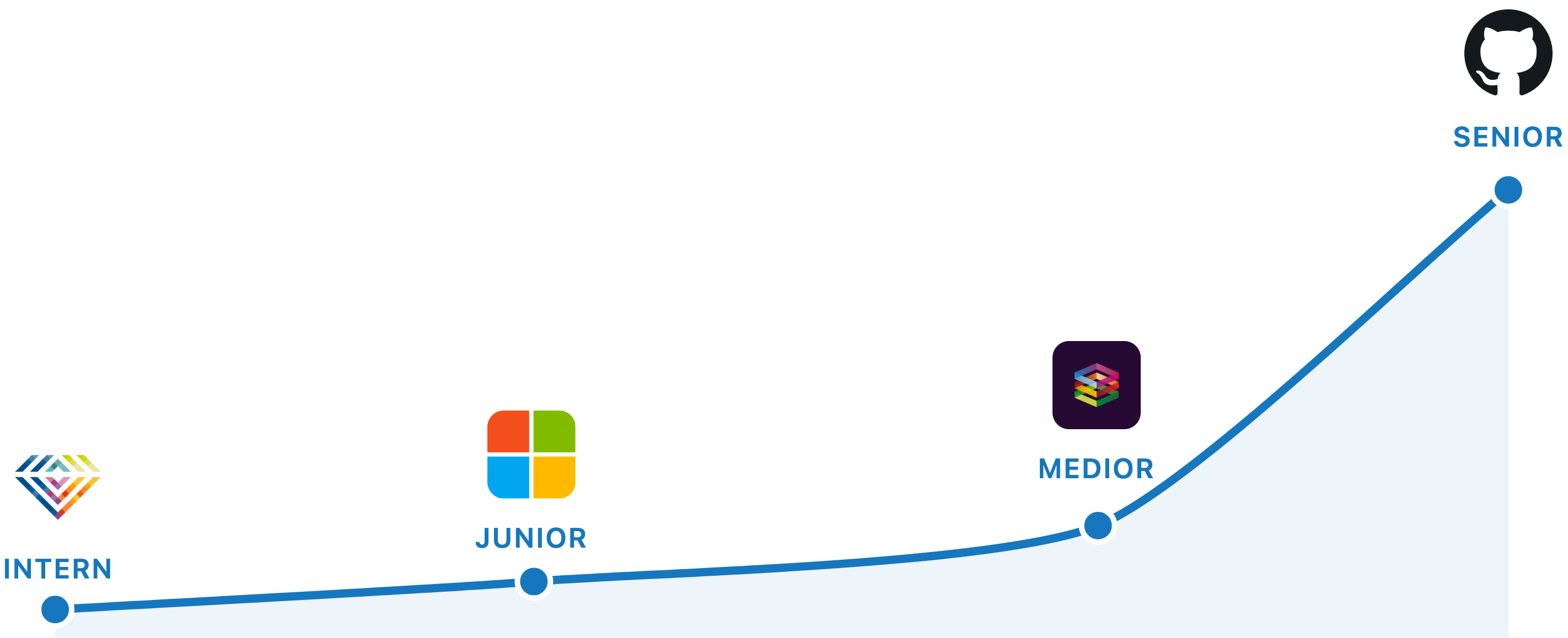
I started as a software tester on a $500/month internship in the Netherlands. Taught myself to code, learned to ship real systems, and worked my way to Senior Engineer at GitHub.
Then I left GitHub. I joined an AI research lab as Member of Technical Staff, where I currently build products for secure AI monitoring.
The cohort draws directly from my real experience so you can make progress fast.
I run this special cohort with only a few people because hands-on work with me is what it takes to bring you to become a world-class AI engineer.
Real Results

Vittor
AI Engineer
Built and deployed his portfolio piece, then landed the AI role
"The coaching played a huge part in my success. I focused on AI fundamentals, the certification path, and soft skills like professional writing. Having access to expert guidance gave me confidence during interviews and helped me feel I was on the right path.
I built my own platform (simple but functional) and deployed it on AWS. I used it in my portfolio and showcased it during interviews. The way complex topics were explained, especially the restaurant analogy for AI systems, really stuck with me. Focusing on doing the basics well was absolutely essential."
What You Will Get
8 Weekly Tuesday Sessions
3 hours each for 24 live hours total.
Project Scoping at Kickoff
We set the scope of what you'll ship and the milestones to get there before the live sessions start.
Code Reviews
Reviews of your code from Zen during the cohort.
Lifetime Demo Access
Every architecture demo is recorded and yours to keep.
Demo Day
You present what you built and get feedback from Zen, with a recording you can use in your portfolio.
12 Months Community Access
Included with the cohort.
Senior AI Engineers Are in Short Supply. The Level Jump Means $80K-$120K More in Total Comp.
Frequently Asked Questions
What defines a Senior AI Engineer?
Senior engineers are defined by scope and independence. You own entire systems, not just features. You make technical decisions autonomously. You unblock others and multiply team productivity. Specifically: you can design and implement complex AI systems without hand-holding, you anticipate problems before they occur, you write code that others can maintain, you mentor less experienced engineers, and you communicate effectively with non-technical stakeholders. It's about trusted independence.
What's the real difference between junior and senior?
Junior: needs guidance, works on well-defined tasks, focuses on own output. Mid-level: works independently, handles ambiguity, owns features. Senior: defines the work, handles complex ambiguity, owns systems, multiplies team output. The key shift: from 'doing assigned work well' to 'identifying what work needs to be done and ensuring it happens.' Senior engineers make everyone around them more effective.
What skills do I need to reach senior level?
Technical: deep expertise in 2-3 AI domains, system design ability, production debugging, performance optimization. Soft skills: clear technical writing, presentation skills, mentoring ability, giving feedback. Execution: project planning, risk identification, stakeholder management. The mix shifts—technical skills alone don't make senior. You need to demonstrate impact beyond your individual code.
How long does it take to become senior?
Typical path: 4-6 years total engineering experience, 2-3 years in AI specifically. Fast track: 3-4 years total with exceptional growth and impact. The timeline varies by company—startups promote faster, big tech has stricter leveling. What accelerates promotion: owning high-impact projects, demonstrating leadership, solving problems others avoid, and developing others. What slows it: staying in comfort zone, avoiding ownership, poor communication.
What's the salary jump to senior level?
Mid-level AI Engineer: $130K-$180K. Senior AI Engineer: $180K-$280K+. The jump is significant—often $80K-$120K in total compensation including equity. At FAANG and top AI companies: Senior ranges $300K-$400K+ total comp. The salary jump reflects increased scope and impact. Senior engineers are expected to deliver results that move business metrics, not just complete tasks.
How do I actually get promoted to senior?
Demonstrate senior behaviors before the title: own systems, mentor others, drive initiatives, communicate proactively. Build a promotion case with evidence: projects delivered, impact metrics, feedback from others. Have explicit conversations with your manager about gaps and expectations. Document your achievements—managers forget, and you need evidence for promotion committees. If your company won't promote you after demonstrating senior impact for 6-12 months, interview elsewhere. The title is easier to get when switching jobs.
I've signed up for cohorts before and dropped out. How is this different?
It probably isn't, and you should hold the money. Most cohort dropouts are people who couldn't articulate what they were shipping when they signed up. That's why the consult exists, and why I turn down most applications. If we get on the call and you can't tell me what you'll have shipped at the end of week 8, I'll point you to the AI Native Engineer community until you can.
I'm not pivoting careers. I want to build a product. Does this still work?
Yes, the cohort works for people shipping their first serious AI system whether the goal is to land a senior role or to launch a product. The shipped system serves both equally well.
Do I need prior AI experience?
You need to be able to code in Python or TypeScript. Complete beginners can follow the classroom they get access to before the cohort sessions to come in well-prepared.
How much should I invest in senior-level skill building?
Shift from learning to applying: 80% should be demonstrating skills on real work. Use the remaining 20% to fill gaps: system design practice, leadership skills, communication. Read less, do more at this stage. The path to senior is through impact, not credentials. Focus on shipping important things and helping others succeed.
What does it cost?
It's a four-figure investment that we discuss during the 30-minute consult, alongside whether the cohort is the right fit for your project.
Can I do this while working full-time?
Yes, most attendees do. The live session is one Tuesday a week and the async work fits around your existing schedule, as long as you can carve out roughly 6 hours a week.
I accept those who have the highest chance of success.
In the 30-minute call we discuss your goals and whether you are ready for the program.