Remote AI Interview Preparation:
How to Ace Virtual Interviews
Remote interviews test different skills than in-person ones.
Master the technical and soft skills that make remote candidates shine.
Remote Interviews
Have Hidden Challenges
Technical issues (audio, video, screen sharing) can derail your interview—preparation prevents disasters.
Communication over video requires more intentionality—pauses feel awkward, non-verbal cues are limited.
Demonstrating 'remote-ready' skills matters—companies hiring remotely evaluate your async communication ability.
Nail Your Remote AI Interview
The World-Class AI Engineer Cohort
Remote interviews reward preparation, clear communication, and technical readiness. Master these elements and you'll outperform candidates who wing it.
Perfect Your Setup
Test audio, video, lighting, and internet before every interview—have backup plans ready
Communicate with Intention
Speak clearly, pause before answering, and narrate your thinking in coding interviews
Show Remote-Ready Skills
Demonstrate async communication, self-management, and documentation habits
Follow Up Professionally
Send thoughtful thank-you notes that reference specific conversation points
Meet Your Mentor

My aim has been the same for years: become a world-class AI engineer. Every career move I've made has been measured against that.
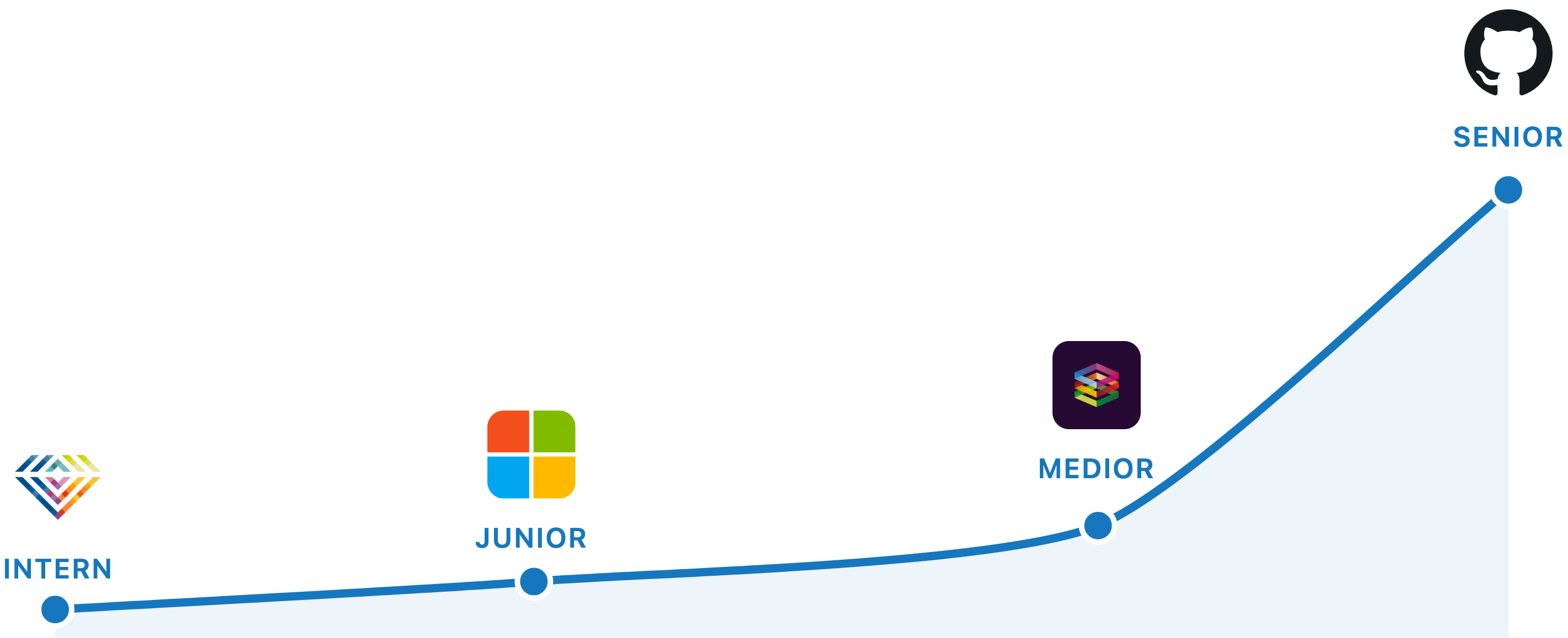
I started as a software tester on a $500/month internship in the Netherlands. Taught myself to code, learned to ship real systems, and worked my way to Senior Engineer at GitHub.
Then I left GitHub. I joined an AI research lab as Member of Technical Staff, where I currently build products for secure AI monitoring.
The cohort draws directly from my real experience so you can make progress fast.
I run this special cohort with only a few people because hands-on work with me is what it takes to bring you to become a world-class AI engineer.
Real Results
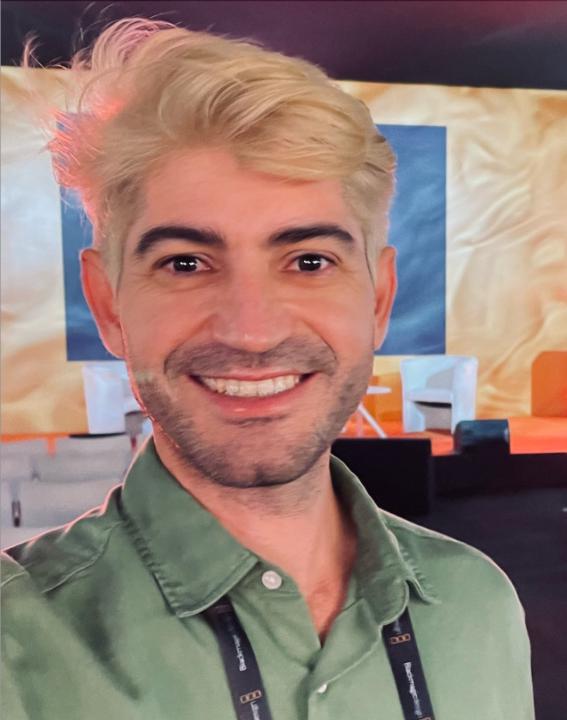
Vittor
AI Engineer
Built and deployed his portfolio piece, then landed the AI role
"The coaching played a huge part in my success. I focused on AI fundamentals, the certification path, and soft skills like professional writing. Having access to expert guidance gave me confidence during interviews and helped me feel I was on the right path.
I built my own platform (simple but functional) and deployed it on AWS. I used it in my portfolio and showcased it during interviews. The way complex topics were explained, especially the restaurant analogy for AI systems, really stuck with me. Focusing on doing the basics well was absolutely essential."
What You Will Get
8 Weekly Tuesday Sessions
3 hours each for 24 live hours total.
Project Scoping at Kickoff
We set the scope of what you'll ship and the milestones to get there before the live sessions start.
Code Reviews
Reviews of your code from Zen during the cohort.
Lifetime Demo Access
Every architecture demo is recorded and yours to keep.
Demo Day
You present what you built and get feedback from Zen, with a recording you can use in your portfolio.
12 Months Community Access
Included with the cohort.
Remote AI Roles Are Competitive. Stand Out with Professional Execution.
Frequently Asked Questions
How should I set up my environment for remote AI interviews?
Essential setup: (1) Reliable internet (wired connection preferred, have mobile hotspot backup), (2) Quality audio (headset with microphone beats laptop mic), (3) Good lighting (face a window or use a ring light—avoid backlighting), (4) Clean background (professional or tasteful—virtual backgrounds can glitch), (5) Camera at eye level (use books or a stand), (6) Test all tools beforehand (Zoom, Google Meet, CoderPad, etc.), (7) Close unnecessary apps to prevent notifications and lag. Do a test call with a friend 24 hours before.
How should I communicate differently in remote interviews?
Remote communication strategies: (1) Look at the camera, not the screen, when speaking—creates eye contact, (2) Speak slightly slower and more clearly than in-person, (3) Pause 1-2 seconds before answering to avoid interrupting (video lag), (4) Narrate your thinking more than you would in-person—'Let me think about this for a moment,' (5) Confirm understanding frequently—'Does that answer your question?', (6) Use your hands and expressions—they read well on video, (7) If connection issues occur, stay calm and professional. Over-communicate rather than under-communicate.
How do remote coding interviews work for AI roles?
Remote coding interviews use shared environments: (1) CoderPad, HackerRank, or similar platforms—practice with them beforehand, (2) Some use IDE screen sharing—have your development environment ready, (3) Talk through your approach before coding, (4) Write code incrementally and explain as you go, (5) Run tests frequently and debug out loud, (6) Ask questions about requirements before coding, (7) For system design, practice drawing on digital whiteboards (Excalidraw, Miro). Interviewers expect the same quality as in-person but give slight grace for remote challenges.
What remote-specific skills do companies evaluate in AI interviews?
Companies hiring remotely look for: (1) Written communication—can you explain complex ideas clearly in text?, (2) Async work habits—do you document your work and decisions?, (3) Self-management—can you be productive without oversight?, (4) Proactive communication—do you surface blockers and status updates?, (5) Time zone flexibility—are you willing to overlap with team hours?, (6) Independent problem-solving—can you unblock yourself? Mention these skills explicitly: 'I document all my technical decisions in our wiki' or 'I send daily async updates to my team.'
How do I handle technical issues during remote interviews?
When things go wrong: (1) Stay calm—how you handle problems is evaluated, (2) Have backup plans ready (phone number, mobile hotspot, different device), (3) If connection drops, reconnect quickly and apologize briefly—don't over-apologize, (4) If screen sharing fails, describe what you would show while troubleshooting, (5) Ask interviewers if they can hear/see you clearly at the start, (6) For persistent issues, suggest continuing via phone for audio while fixing video. Preparation prevents most issues—test everything beforehand.
I've signed up for cohorts before and dropped out. How is this different?
It probably isn't, and you should hold the money. Most cohort dropouts are people who couldn't articulate what they were shipping when they signed up. That's why the consult exists, and why I turn down most applications. If we get on the call and you can't tell me what you'll have shipped at the end of week 8, I'll point you to the AI Native Engineer community until you can.
I'm not pivoting careers. I want to build a product. Does this still work?
Yes, the cohort works for people shipping their first serious AI system whether the goal is to land a senior role or to launch a product. The shipped system serves both equally well.
Do I need prior AI experience?
You need to be able to code in Python or TypeScript. Complete beginners can follow the classroom they get access to before the cohort sessions to come in well-prepared.
How much time will this take?
You'll spend 3 hours every Tuesday in the live session and roughly 3 hours of async work in between, for 8 weeks. The Tuesday session time is fixed.
What does it cost?
It's a four-figure investment that we discuss during the 30-minute consult, alongside whether the cohort is the right fit for your project.
Can I do this while working full-time?
Yes, most attendees do. The live session is one Tuesday a week and the async work fits around your existing schedule, as long as you can carve out roughly 6 hours a week.
I accept those who have the highest chance of success.
In the 30-minute call we discuss your goals and whether you are ready for the program.