Remote vs Office AI Jobs
The Right Choice Matters.
Both paths can lead to six-figure AI careers. But the wrong choice
for your situation can cost you years of growth.
The Wrong Choice Costs You.
Remote roles can stall career growth if you lack visibility and mentorship access.
Office jobs may pay less and demand commutes that drain your learning time.
Switching later means starting over at new companies, losing momentum and salary leverage.
Choose With Clarity.
The World-Class AI Engineer Cohort
The remote vs office debate isn't one-size-fits-all. Your ideal path depends on career stage, learning style, and target companies. With the right strategy, you can maximize growth in either setting.
Assess Your Stage
Early career vs senior needs differ
Target Right Companies
Remote-first vs hybrid cultures
Execute Your Plan
Negotiate and position strategically
Meet Your Mentor

My aim has been the same for years: become a world-class AI engineer. Every career move I've made has been measured against that.
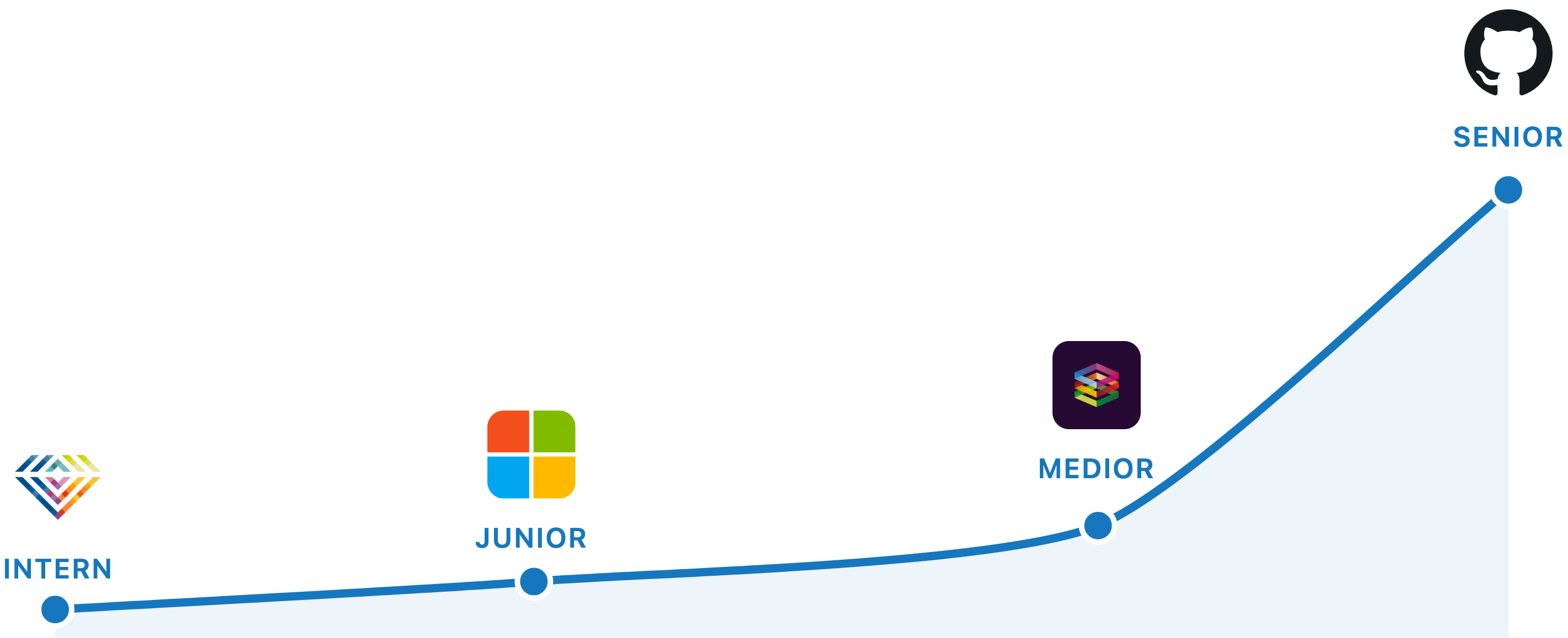
I started as a software tester on a $500/month internship in the Netherlands. Taught myself to code, learned to ship real systems, and worked my way to Senior Engineer at GitHub.
Then I left GitHub. I joined an AI research lab as Member of Technical Staff, where I currently build products for secure AI monitoring.
The cohort draws directly from my real experience so you can make progress fast.
I run this special cohort with only a few people because hands-on work with me is what it takes to bring you to become a world-class AI engineer.
Real Results

Vittor
AI Engineer
Built and deployed his portfolio piece, then landed the AI role
"The coaching played a huge part in my success. I focused on AI fundamentals, the certification path, and soft skills like professional writing. Having access to expert guidance gave me confidence during interviews and helped me feel I was on the right path.
I built my own platform (simple but functional) and deployed it on AWS. I used it in my portfolio and showcased it during interviews. The way complex topics were explained, especially the restaurant analogy for AI systems, really stuck with me. Focusing on doing the basics well was absolutely essential."
What You Will Get
8 Weekly Tuesday Sessions
3 hours each for 24 live hours total.
Project Scoping at Kickoff
We set the scope of what you'll ship and the milestones to get there before the live sessions start.
Code Reviews
Reviews of your code from Zen during the cohort.
Lifetime Demo Access
Every architecture demo is recorded and yours to keep.
Demo Day
You present what you built and get feedback from Zen, with a recording you can use in your portfolio.
12 Months Community Access
Included with the cohort.
Your Next Role Shapes the Next Five Years
Frequently Asked Questions
Do remote AI jobs pay less than office positions?
It depends on the company's compensation philosophy. Some companies pay location-adjusted salaries (you earn less in lower cost-of-living areas), while others pay market rate regardless of location. In 2026, top remote-first AI companies like Anthropic, OpenAI, and many startups pay competitive rates without location adjustments. However, some traditional tech companies still adjust by 10-20% for remote workers. The key is targeting companies with location-agnostic pay policies.
Can I grow my AI career while working remotely?
Absolutely, but it requires intentional effort. Remote career growth depends on: 1) Visibility - proactively sharing your work and impact with leadership, 2) Mentorship - actively seeking mentors inside and outside your company, 3) Company culture - choosing remote-first companies that promote based on output, not presence. Many senior AI engineers at top companies work fully remote. The difference is they're strategic about staying visible and building relationships.
How do I network for AI jobs if I work remotely?
Remote networking in 2026 is actually easier than ever. Join AI-focused communities (Discord servers, Slack groups, online cohorts), contribute to open-source projects, attend virtual and in-person AI conferences, and build your presence through technical content. Many remote AI professionals report stronger networks than their office counterparts because they're connected globally rather than limited to one office location.
Is hybrid the best of both worlds for AI jobs?
Hybrid can work well if structured thoughtfully. The best hybrid setups have intentional in-office days for collaboration and relationship building, with remote days for focused deep work. However, poorly implemented hybrid often gives you the worst of both: commute costs without the networking benefits, and home distractions without true flexibility. Ask about the company's hybrid philosophy before accepting.
Should junior AI engineers avoid remote positions?
Not necessarily, but juniors should be strategic. Early-career AI engineers benefit enormously from mentorship and learning by osmosis. If you take a remote junior role, ensure the company has strong remote onboarding, mentorship programs, and regular face time with senior engineers. Some junior engineers thrive remotely with the right company culture. Others benefit from 1-2 years in-office before transitioning to remote work.
Can I switch from remote to office (or vice versa) later?
Yes, but it's easier in some directions than others. Going from office to remote is increasingly common and accepted. Going from remote to office may require relocation or targeting specific companies. The best strategy is building skills and a reputation that make you attractive regardless of work arrangement. Strong AI engineers with proven track records have negotiating leverage for their preferred setup.
I've signed up for cohorts before and dropped out. How is this different?
It probably isn't, and you should hold the money. Most cohort dropouts are people who couldn't articulate what they were shipping when they signed up. That's why the consult exists, and why I turn down most applications. If we get on the call and you can't tell me what you'll have shipped at the end of week 8, I'll point you to the AI Native Engineer community until you can.
I'm not pivoting careers. I want to build a product. Does this still work?
Yes, the cohort works for people shipping their first serious AI system whether the goal is to land a senior role or to launch a product. The shipped system serves both equally well.
Do I need prior AI experience?
You need to be able to code in Python or TypeScript. Complete beginners can follow the classroom they get access to before the cohort sessions to come in well-prepared.
How much time will this take?
You'll spend 3 hours every Tuesday in the live session and roughly 3 hours of async work in between, for 8 weeks. The Tuesday session time is fixed.
What does it cost?
It's a four-figure investment that we discuss during the 30-minute consult, alongside whether the cohort is the right fit for your project.
Can I do this while working full-time?
Yes, most attendees do. The live session is one Tuesday a week and the async work fits around your existing schedule, as long as you can carve out roughly 6 hours a week.
I accept those who have the highest chance of success.
In the 30-minute call we discuss your goals and whether you are ready for the program.